
Quick summary
As we age, maintaining oral health becomes increasingly important, not just for aesthetics, but for overall wellness. For seniors in Englewood, NJ, dental implants offer a long-term solution for missing or damaged teeth, restoring both confidence and function.
We can help you smile confidently once more, whether you’re seeking implant-supported dentures, single-tooth replacements, or full-mouth dental implants. If you’re considering dental implants for seniors or helping a loved one explore options, here’s everything you need to know.
As people age, dental implants remain durable and functional. Dental implants frequently improve the lives of elderly adults by boosting their confidence and physical well-being. Dental implants are suitable for any age of people.
Dental implants may be beneficial for the many older people who have tooth loss. About 13% of persons 65 and older have lost all of their teeth, while 26% of adults 75 and older have lost all of their teeth. Dental implants can enhance the quality of life for seniors by restoring their ability to speak and eat.
Understanding senior dental implants
Dental implants are a contemporary way to replace all of your teeth. in order for folks to confidently grin. We have observed that older adults are more apprehensive about dental implants. However, investigations and research have shown that dental implants in older adults have better outcomes than in younger ones.
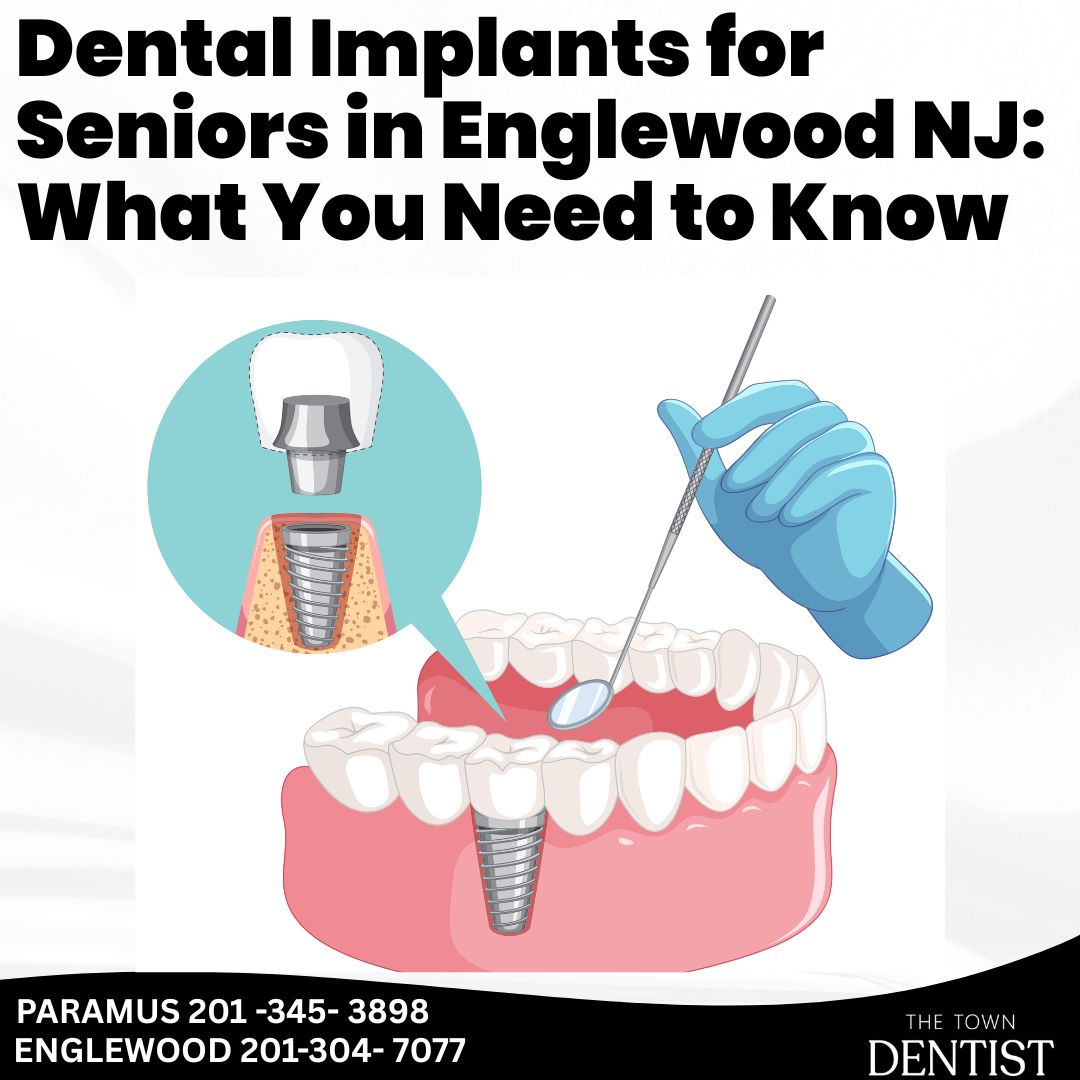
Dental implants are carefully positioned titanium posts that are implanted into the jawbone to act as artificial tooth roots. Osseointegration is the process by which an implant replicates the strength and functionality of natural tooth roots, giving artificial teeth a strong basis. Implants don’t depend on nearby teeth for support like conventional dentures or bridges do. As a result, implants are a stand-alone choice for seniors that maintains the residual oral structure and promotes jaw bone retention.
Seniors should be informed of potential issues such as bone density loss and the potential for a lengthier healing period prior to undertaking dental implant procedures. To ensure a safe and successful outcome, a comprehensive dental and medical evaluation is essential to evaluate bone structure, general health, and medication interactions. Long-term implant success also depends on maintaining good oral hygiene and scheduling routine follow-up visits.
Seniors’ advantages with dental implants
Seniors who have dental implants benefit greatly from increased confidence, a more youthful appearance, and better speaking and chewing abilities.
Let’s examine the benefits of dental implants for the senior’s in detail.
- Better Speaking and Chewing: Dental implants work similarly to natural teeth, enabling seniors to speak clearly and consume a greater variety of foods.
- Increased Self-Belief: Social confidence and self-esteem can be greatly increased with a restored, natural-looking grin.
- Bone Preservation: By stimulating the jawbone, implants assist preserve face structure by halting bone loss that might result from missing teeth and dentures.
- Durability and Longevity: Dental implants provide a dependable and long-lasting substitute for dentures or bridges as a long-term remedy for lost teeth.
- Better dental Health: Although implants need to be cleaned properly, they don’t cause tooth decay or need to be adjusted like dentures, which helps to improve dental health in general.
- Lack of Dietary Limitations: Seniors can eat a greater range of foods without concern or discomfort thanks to implants, unlike dentures.
Seniors’ dental implant considerations
The following are important factors for seniors thinking about dental implants:
- Health History: To find any possible hazards or issues, a thorough examination of the patient’s health history is necessary.
- Bone Density: A healthy implant integration depends on adequate bone density.
- Medication: It’s critical to discuss all drugs with the dentist because some can have an impact on bone growth and healing.
- Oral Hygiene: Maintaining proper oral hygiene is essential to dental implants’ long-term success.
The senior dental implant surgery
If necessary, the injured tooth must be extracted. The jawbone must then be prepared (maybe by grafting), the implant must be placed, osseointegration (bone fusion) allowed to occur, an abutment must be attached, and the replacement tooth must be placed.
Here is a detailed step-by-step procedure:
- Consultation and Evaluation: To determine bone density and general health, a comprehensive assessment of the patient’s dental health, including X-rays and scans, is essential.
- Extracting teeth (if necessary):It can be necessary to extract teeth that are decaying or damaged before placing an implant.
- Jawbone Preparation: Bone grafting can be required if the jawbone isn’t dense enough to hold the implant. In order to provide a strong foundation for the implant, this technique entails adding bone material to the jawbone.
- Implant Placement: A titanium implant is surgically inserted into the mandible to serve as a prosthetic tooth root.
- Osseointegration: During this critical healing phase, the implant and surrounding bone grow and fuse to provide a solid base. It may take several months to complete this process.
- Placement of Abutment: And abutment is fastened to the implant once it has fused with the bone. The abutment serves as a link between the fake tooth and the implant.
- Artificial Tooth (Crown) Placement: Next, the abutment is fitted with a specially constructed crown that is intended to resemble the patient’s real teeth.
Beyond Implants, Senior Dental Health
Examining the more comprehensive facets of geriatric oral health entails:
- Frequent dental examinations: To detect and treat possible age-related dental problems early and avoid more serious complications, seniors should receive dental examinations at least twice a year.
- Daily oral hygiene routines: To avoid gum disease and tooth decay, brush twice a day with fluoride toothpaste and floss every day.
- Management of dry mouth: Medication side effects or medical disorders cause dry mouth in many elderly. Using saliva replacements, avoiding mouthwashes with alcohol, and staying hydrated can all help reduce discomfort.
- Nutrition and diet: Oral health is supported by a well-balanced diet high in vitamins and minerals. Tooth decay and enamel erosion can be avoided by limiting consumption of sugar and acidic meals.
- Maintenance of dentures: To avoid infections and preserve comfort, seniors who wear dentures must have them cleaned properly, fitted frequently, and taken out overnight.
- Prevention of advanced gum disease: Gum disease, a significant cause of tooth loss in the elderly, can be avoided with routine cleanings and scaling.
- Awareness of oral cancer: Because early identification greatly improves treatment success rates, routine screenings for oral cancer are essential.
The Senior Dental Implant Cost Factor
When choosing dental implants, Senior’s should take into account the following costs:
- Initial investment: Compared to alternative tooth replacement solutions like traditional dentures or bridges, dental implants usually have a greater upfront cost.
- Health fund coverage: The overall affordability of dental implants for seniors may be impacted by the inadequate or nonexistent coverage provided by many dental health funds.
- Extra procedures: If more operations, like bone grafting, are required to get the jawbone ready for implants, the price may go up.
- Upkeep and attention: Regular dental examinations are necessary even though implants typically require less maintenance than dentures or bridges.
Options for Seniors in Place of Dental Implants
Alternative dental care options for senior patients, such as bridges and dentures, include:
- Dentures: are detachable devices that can be used to replace lost teeth and improve speech and eating comfort. Seniors frequently choose dentures, whether partial or full, because they are less invasive than implants and might be more affordable. They do, however, need to be maintained frequently, and slippage can occasionally be uncomfortable.
- Bridges: are permanent prosthetics used to replace one or more lost teeth that are fixed to implants or remaining teeth. Although bridges require modifying the neighboring teeth, which may not be suitable for everyone, they can provide a more stable and natural-looking outcome than dentures.
- Resin-bonded bridges: need less invasive surgery than regular bridges and require less tooth preparation around the neighboring teeth. They are a reasonably priced alternative to traditional bridges or implants for replacing front teeth, although they might not last as long.
Tips for Maintaining and Caring for Senior Dental Health
Important advice includes avoiding tobacco, drinking plenty of water, getting regular dental examinations, and brushing and flossing with fluoride toothpaste.
Here is a more thorough examination of oral health maintenance and care for seniors:
- Oral Hygiene: Clean every surface of your teeth using a soft-bristled toothbrush and fluoride toothpaste. Plaque and food particles that a toothbrush cannot reach are removed by flossing along the gum line and in between teeth.
- Hydration: Older persons frequently have dry mouth as a result of age-related changes or drugs. Saliva flow is maintained by drinking lots of water, which is essential for avoiding gum disease and tooth decay. Just avoid consuming sugary drinks as they can contribute to tooth decay.
- Nutritional Aspects to Take into Account: Dental health and general well-being are supported by a diet high in fruits, vegetables, and whole grains. Acidic and sugary meals and beverages should be avoided since they can damage tooth enamel. Serve food that is simple to chew and swallow, particularly for those who have trouble with it.
- Frequent Checkups: Schedule periodic cleanings and examinations with the dentist every six months. Dental issues can be stopped from getting worse by being identified and treated early.
- Steer clear of tobacco: Chewing and smoking tobacco raises the risk of gum disease and oral cancer. One of the best things you can do for your general health and oral health is to stop smoking.
Why Choose The Town Dentist in Englewood, NJ?
At The Town Dentist in Englewood, NJ, we specialize in dental implants and offer older citizens sympathetic treatment. Our skilled staff is dedicated to restoring smiles using cutting-edge technology, individualized care, and an emphasis on long-term outcomes. Additionally, we provide:
- Comfort-enhancing sedation dentistry
- Adaptable financing choices
- A welcoming, patient-centered setting
Conclusion
Starting the process of getting dental implants is a big step toward improving seniors’ quality of life. It’s a choice that touches on issues of confidence, health, and the delight of having a fully functional grin in addition to appearance. Dental implants can be effectively incorporated into the oral health treatment of older persons, improving their capacity to eat, speak, and smile with confidence, even though aging can bring up new factors such bone density and possible comorbidities.
Ready to Restore Your Smile?
Book your free consultation today with The Town Dentist, your trusted provider for Dental Implants for Seniors in Englewood NJ.