
After the placement of dental implants, it’s essential to follow specific care guidelines to ensure successful healing and optimal results. Here’s what you need to know for the recovery period:
1. What are dental implants?
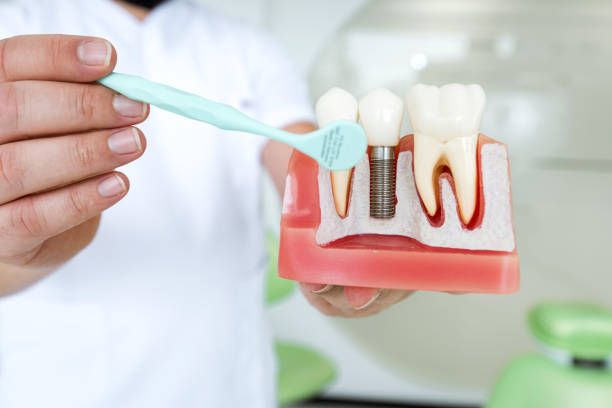
Dental implants are prosthetic devices designed to replace missing teeth. They consist of three main components: the implant itself (a titanium post placed into the jawbone), an abutment (a connector that attaches to the implant), and a crown or bridge that mimics the appearance of a natural tooth. The titanium implant integrates with the jawbone through a process called osseointegration, providing a stable and durable foundation for the replacement tooth. This integration helps restore both function and aesthetics, allowing for normal chewing and speaking.
2. How long does the dental implant procedure take?
The dental implant procedure involves several stages:
- Initial Consultation: Your dentist will evaluate your oral health and determine if you are a suitable candidate for implants. This may include imaging studies such as X-rays or CT scans.
- Implant Placement: The implant is surgically placed into the jawbone. This procedure typically takes about 1-2 hours per implant and is performed under local anesthesia.
- Healing Period: After placement, the implant needs time to integrate with the bone. This period, known as osseointegration, usually takes 3-6 months. During this time, a temporary restoration may be used.
- Abutment Placement: Once the implant has integrated with the bone, a small surgical procedure is performed to attach the abutment, which will hold the final crown.
- Final Restoration: After the abutment is placed, impressions are taken to create the final crown or bridge. This process can take a few weeks, depending on the complexity and the laboratory’s workload.
3. Is the dental implant procedure painful?
During the dental implant procedure, local anesthesia ensures that you feel no pain. Post-operatively, you may experience some discomfort, swelling, or bruising in the area. These symptoms are typically managed with over-the-counter pain relievers such as ibuprofen or acetaminophen, as well as prescribed medications if needed. Ice packs and a soft diet can also help alleviate discomfort. The recovery phase varies but generally involves minor pain that subsides within a few days to a week.
4. How should I care for my dental implants after placement?
Proper care after implant placement is crucial for ensuring successful healing and long-term implant function:
- Oral Hygiene: Brush your teeth at least twice a day with a soft-bristled toothbrush and fluoride toothpaste. Floss daily, being careful around the implant site.
- Avoid Certain Foods: For the initial few weeks, stick to soft foods and avoid hard, sticky, or chewy items that could disrupt the healing process.
- Follow-Up Appointments: Attend all scheduled follow-up visits to monitor the healing process and ensure that the implant is integrating properly with the bone.
- Avoid Smoking: Smoking can impede the healing process and increase the risk of complications. It’s advisable to avoid smoking during the recovery period.
5. How long do dental implants last?
Dental implants are designed to be a long-term solution for tooth replacement. With proper care, they can last 20 years or more. The longevity of implants is influenced by factors such as oral hygiene, bone health, and regular dental check-ups. The implant itself, if well-maintained, can remain in place for decades, while the crowns or restorations may need replacement due to wear and tear over time. Regular visits to your dentist help ensure that both the implant and the restoration are functioning well.
6. Are dental implants suitable for everyone?
Dental implants are a versatile solution, but not everyone may be an ideal candidate. To qualify for implants, you should have:
- Healthy Gums: Adequate gum health is necessary to support the implant.
- Sufficient Bone Density: The jawbone needs to be dense enough to support the implant. If you have bone loss, additional procedures like bone grafting may be required.
- Overall Health: Good overall health is important for successful healing. Certain conditions like uncontrolled diabetes or severe periodontal disease might affect your suitability.
Your dentist will conduct a comprehensive evaluation to determine if dental implants are right for you and will discuss any necessary preparatory procedures.
7. What are the risks or complications associated with dental implants?
As with any surgical procedure, there are potential risks and complications, though they are relatively rare. Possible issues include:
- Infection: Infections can occur at the implant site, which may require antibiotics or additional treatment.
- Implant Failure: Rarely, the implant may not integrate with the bone properly, leading to failure. This can be due to factors such as inadequate bone density or poor oral hygiene.
- Nerve Damage: In rare cases, the implant may cause nerve damage, leading to numbness or pain.
Most risks can be minimized with proper care and by following post-operative instructions. If you experience any unusual symptoms, contact your dentist immediately.
8. How much do dental implants cost?
The cost of dental implants varies widely based on factors such as:
- Number of Implants: Costs increase with the number of implants and restorations needed.
- Type of Restoration: Single crowns, bridges, or dentures may affect overall cost.
- Additional Procedures: Bone grafts or sinus lifts may add to the expense.
On average, dental implants can range from $3,000 to $6,000 per implant. Many dental practices offer financing options or payment plans to help manage costs. It’s best to discuss your financial options with your dental provider.
9. How long does the healing process take?
The healing process after dental implant placement involves several stages:
- Initial Healing: The immediate healing period lasts about 1-2 weeks, during which swelling and discomfort should begin to subside.
- Osseointegration: The process of the implant fusing with the jawbone typically takes 3-6 months.
- Final Restoration: After successful integration, the final crown or bridge is placed, which can take additional weeks.
Total healing and completion of the implant process may take up to a year, but the majority of the time is spent waiting for the implant to integrate with the bone.
10. Can I eat normally after getting dental implants?
After the initial implant placement, you should start with a soft diet to avoid putting undue stress on the implant site. Gradually reintroduce harder foods as healing progresses. Chewing directly on the implant site should be avoided until your dentist confirms that the implant has fully integrated with the bone. This typically occurs after a few months. Maintaining a soft diet initially helps ensure the implant site heals properly and avoids complications.
11. Will my dental insurance cover the cost of implants?
Coverage for dental implants varies by insurance plan. Some dental insurance policies may partially cover the cost of implants, while others may not offer coverage at all. It’s important to check with your insurance provider to understand your benefits. Additionally, many dental offices provide financing options or payment plans to help manage the cost of implants. Discuss your insurance coverage and payment options with your dental provider to find the best solution for your needs.
12. How do I get started with dental implants?
To begin your journey with dental implants and receive expert care, contact The Town Dentist. Our team specializes in dental implants and will guide you through every step of the process, from initial consultation to final restoration. Schedule your consultation today to explore how dental implants can restore your smile and confidence.